
How Pilates Can Help Alleviate Sciatica

Sciatica pain can disrupt daily life, making simple movements uncomfortable or even unbearable. Pilates targets the root causes of sciatica, particularly muscle imbalances and weak core muscles.
Many people with sciatica are unsure whether exercise will help or make the pain worse. In most cases, gentle movement and carefully selected exercises can support recovery and improve mobility - this is where Pilates can help.
It's important to recognise that there's no one specific exercise; a combination of strength, stability, flexibilty and above all consistency will aid recovery and avoid re-occurrence.
Understanding Sciatica and Muscle Imbalances
Sciatica occurs when the sciatic nerve, which runs from the lower back and down the leg, becomes irritated or compressed. This irritation often causes sharp pain, numbness, or tingling sensations along the nerve pathway. Although the pain is felt in the leg, the problem is in the back.
Typical symptoms may include:
• pain in the lower back, buttock, or leg
• tingling or “pins and needles”
• numbness in the leg or foot
• weakness in the leg
• discomfort when sitting for long periods
Symptoms typically appear on one side of the body and can range from mild to severe.
Different Types of Sciatica
Sciatica is a general term, but the underlying causes can vary.
Disc-related sciatica
One of the most common causes is a bulging or herniated disc in the lower spine. The disc can press on a nerve root, causing pain that travels down the leg.
Piriformis syndrome
Sometimes the sciatic nerve becomes irritated by the piriformis muscle, a small muscle deep in the buttock. Tightness or spasm in this muscle can place pressure on the nerve.
Spinal stenosis
In some people, particularly as they age, the spinal canal narrows, which can compress the nerves in the lower back and lead to sciatic symptoms.
Spondylolisthesis
This occurs when one vertebra slips forward over another, which may affect the nerves in the lower spine.
Because the causes are different, symptoms and exercise tolerance can vary from person to person.
This list is far from exhaustive, other causes include pregnancy, old injuries, osteoarthritis, prolonged sitting, to name a few.
Pilates Strengthens Core & Hip Muscles to Support Sciatica Relief
The core includes muscles in the abdomen, lower back, hips, and pelvis. These muscles stabilise the spine and pelvis during movement. By strengthening your hips and core, this helps to maintain better posture and reduce strain on the lower back and sciatic nerve.
Some key benefits of Pilates for core strength include:
Improved spinal alignment that reduces nerve irritation
Enhanced pelvic stability to prevent uneven pressure on the sciatic nerve
Improved mobility and flexibility
Reduced muscles tension that decreases strain on the lower back
Increased posture and body awareness to avoid movements that trigger pain
Pilates Exercises That Help Alleviate Sciatica by targeting core strength and hip flexibility.
These exercises are intended for the use of those individuals who have had sciatica diagnosed by a healthcare professional.
1. Cat Cow
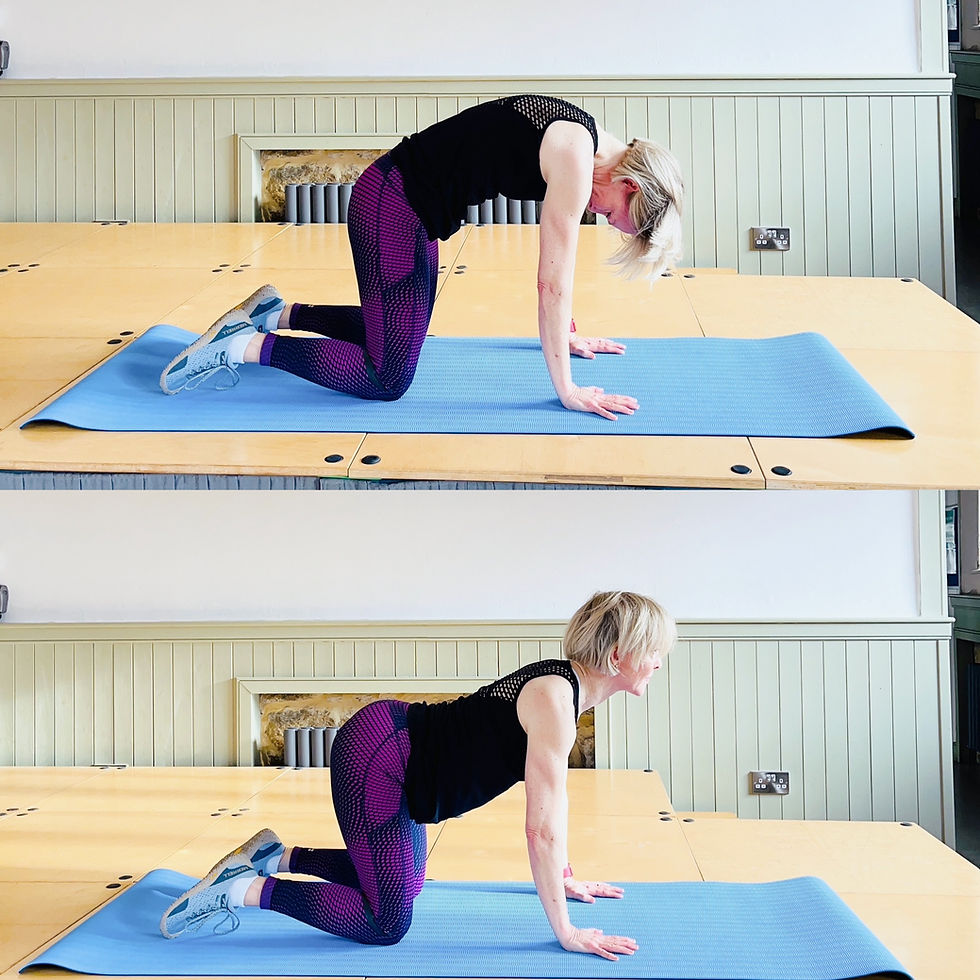
Start on hands and knees in a tabletop position.
Inhale as you arch your back, lifting your head and tailbone (cow).
Exhale as you round your spine, tucking your chin and pelvis (cat).
Repeat 10 times, moving slowly and smoothly.
2. Seated piriformis stretch
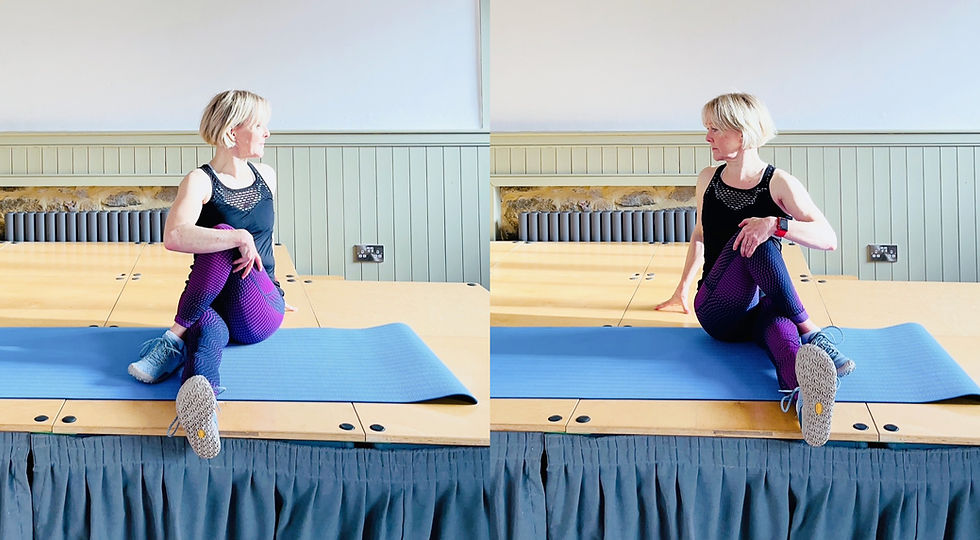
Sit tall with legs extended hip-width apart.
Inhale to lengthen your spine.
Bend one knee and cross over the other straight leg
Exhale as you reach around to look over your opposite shoulder gently holding the opposite knee with the hand
Keeping your spine long, hold for a few seconds, then return to centre
3. Figure four stretch

Bring one outer ankle across your opposite lower thigh.
If and when you feel able, hinge you hips and draw you fold hips towards your chest, gathering the straight thigh in your hands.
Hold for a count of 10.
4. Bird Dog

This exercise strengthens the core and pelvic stability.
Lie on your mat with a neutral spine with your hips stacked on top of your knees.
Extend your opposite legs and arms away focusing on stabilising your spine as you move
Focus on control and stability
Repeat 10 to 15 times on each side.
5. Glute Bridge

A great all round exercise for strengthening your pelvis and posterior chain muscles.
Lie on your back, tilt your pelvis, slowly and incrementally peel your vertebrae off the mat.
Stabilise the pelvis when you reach the shoulders
Return to the mat with control
Repeat 8-12 times.
Spine Extension
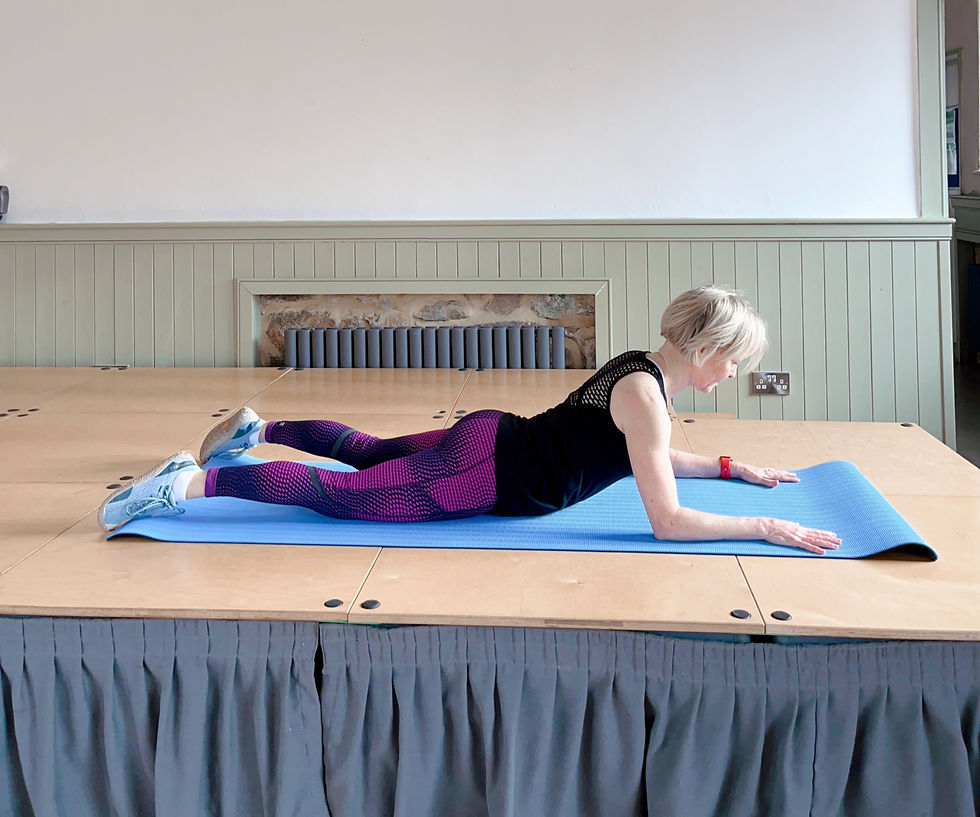
Lying on your front, engage your glutes.
Roll the shoulders down your back, keeping the glutes engaged, draw the tummy button to your spine and peel the vertebrae off the mat, avoiding excessive pinching into the lower back.
Keeping shoudlers stacked on top of elbows
Repeat 8 times.
7. Child's Pose

Child's Pose is a relaxing stretch designed to stretch your hips and lower back.
Start in a kneeling position. Sit your bottom back towards your heels and reach your arms towards the top of your mat.
Rest your forehead on the mat.
Keep hips higher if hip mobility limited
Tips for Beginners Practicing Pilates with Sciatica
Starting Pilates with sciatica requires care to avoid aggravating symptoms. Here are some tips to practice safely:
Consult your healthcare professional if a definite diagnosis has not already been made
Start with a qualified Pilates instructor who can modify exercises as needed.
Focus on form and control rather than speed or intensity.
Avoid exercises that cause sharp pain or numbness. Mild discomfort is normal, but pain signals you should stop.
Use props like cushions to support your body and reduce strain.
Practice regularly but allow rest days to let your body recover. Consistency is key for progress.
Listen to your body and adjust exercises based on how you feel each day.
Seek medical advice if you experience:
severe or worsening leg pain
pain unrelieved by rest
increasing weakness in the leg
weightloss, fever
symptoms in both legs
loss of bladder or bowel control
pain following an injury
history of cancer
The Key Take Aways:
Gentle movement and gradual strengthening can support recovery.
Pilates provides a controlled and supportive way to rebuild strength, improve mobility, and help people regain confidence in movement.
Consistency prevents re-occurence.


Thank you Zoe, most interesting. !